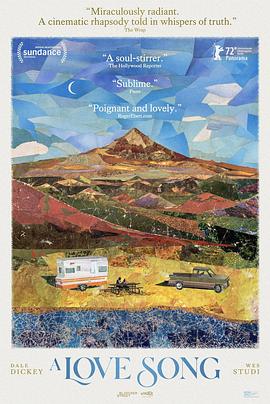
诶我跟你说,最近看了部电影叫《小情歌》,特别安静的那种。 ☻。 影片几乎全片在湖畔取景,镜头常常定格在人物沉默的侧脸或湖面的波光上,连风吹帐篷的声音都清晰可闻。两人一起修补漏雨的屋顶、在暮色里剥玉米,偶尔弹起走调的乡村歌谣——这些笨拙而安静的互动里,藏着半生未说出口的等待。适合偏爱慢节奏、注重氛围而非情节的观众,尤其适合那些对晚年浪漫与西部静谧美学有耐心的影迷。剧情没有夸张的浪漫桥段,反而是那些修理卡车、分享三明治、在加油站抽烟的琐碎瞬间,让情感悄悄发酵。
After unhitching her camper at a lakeside in the mountains, Faye finds her rhythm cooking meals, retrieving crawfish from a trap, and scanning her old box radio for a station. She looks expectantly at the approach of a car or the mailman, explaining to neighboring campers that she’s waiting for a childhood sweetheart she hasn’t seen in decades. When he does arrive, Lito and Faye, both widowed, spend an evening reminiscing about their lives, losses, and loneliness. A whimsical romance, Max Walker-Silverman’s captivating debut feature shows an American West full of quietude, compassion, and introspection. It’s both naturalistic and vaguely surreal, blurring our sense of time and beauty, loss and vivacity, the grandiose natural world and intimate humanism. Career performances from Dale Dickey and Wes Studi bring an inescapable presence to people we don’t often see portrayed on film. They are gentle outliers possessed of resilience and existential spirit, seeking to process something elusive a feeling of love for what’s no longer there. Like Faye turning her radio dial, they listen hopefully for the faint trace of a song.相关搜索:
小情歌是表白还是暗恋《伤感情歌大全》《小情歌》原唱《伤感情歌大全》十首撕心裂肺的伤感情歌